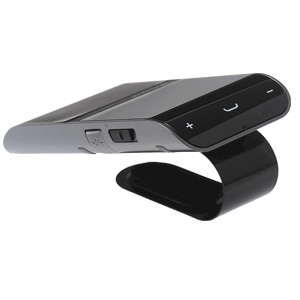
Telephones are a necessity to our daily life but a piece of technology that is not accessible for all users. Not only is the telephone a requirement for for keeping in touch with friends and family but it is important for home safety. If you cannot access your telephone, how can you call for help. Here are some of the options, although there are more available on the market dependent on your needs.
Call your telephone company. The company that is providing your service might have options for phones without any or a limited additional cost. These services might include accessibility for the death or hard of hearing population, or for individuals with minimal physical impairments.
Scanning Telephone: The use of a phone that has a scanning feature can be very beneficial for a user with limited mobility. The telephone featured below has a remote control that allows for any ability switch to be plugged into it. There are 20 preset numbers that can be pre-programming. When the user presses the switch, the scanning through the 20 preset numbers begin. The speed of the scan can be adjusted for the user. Once the scan gets to the desired number, the user presses the switch again and it dials out. To answer or hang up, the user only needs to hit the switch. Not only can this be accessed by a physical switch but by an air switch as well. If the user cannot use their hands, the physical switch can be mounted by their head or the air switch might be appropriate.

Voice Amplification: If an individual has issues with the volume of their voice, using a telephone can be very challenging. The people that they are speaking with might be unable to hear or understand them, asking them to constantly repeating themselves, requiring more energy for telephone use. A nice solution might be using a telephone that amplifies the speaker. There are many options that amplify the incoming person for a hand of hearing individual but limited for amplifying the outgoing for low volume. There are some "inline" amplification options that connect between the phone and the wall. There are also telephones that amplify through the handset, pictured below.

Computer Based: A computer could be used for telephone needs. There are certain websites that can be accessed for free that connect to an operator. You enter the number to dial, the operator dials it, and then speaks for you. The user would type what they want said, the operator speaks it and then types back the response. This is great for someone who is deaf or hard of hearing, or for an individual with limited or no upper extremity use that is accessing their computer through adapted means.
Picture Based Dialing: For individuals with cognitive issues or have issues with remembering or recognizing numbers, picture based dialing can be helpful. These types of phones allow the user to program preset numbers with the pictures of who they are dialing onto. The individual only has to press the picture to dial the desired individual. The amplification phone above has this feature has does many other phones.
Keep in mind that these telephones are options but not the only options for making telephone calls. Cell phone adaptations are to be addressed in an upcoming blog post.